A Habit Tracker That Records Patterns Without Judging Them
A habit tracker is a record of an action you chose to repeat. It can help you notice whether the action fits your routine, but a row of checkmarks is not proof of better health, character or productivity. This guide focuses on ordinary organizational habits such as preparing tomorrow's materials or reviewing a task list. It does not provide treatment advice or promise behavioral results.
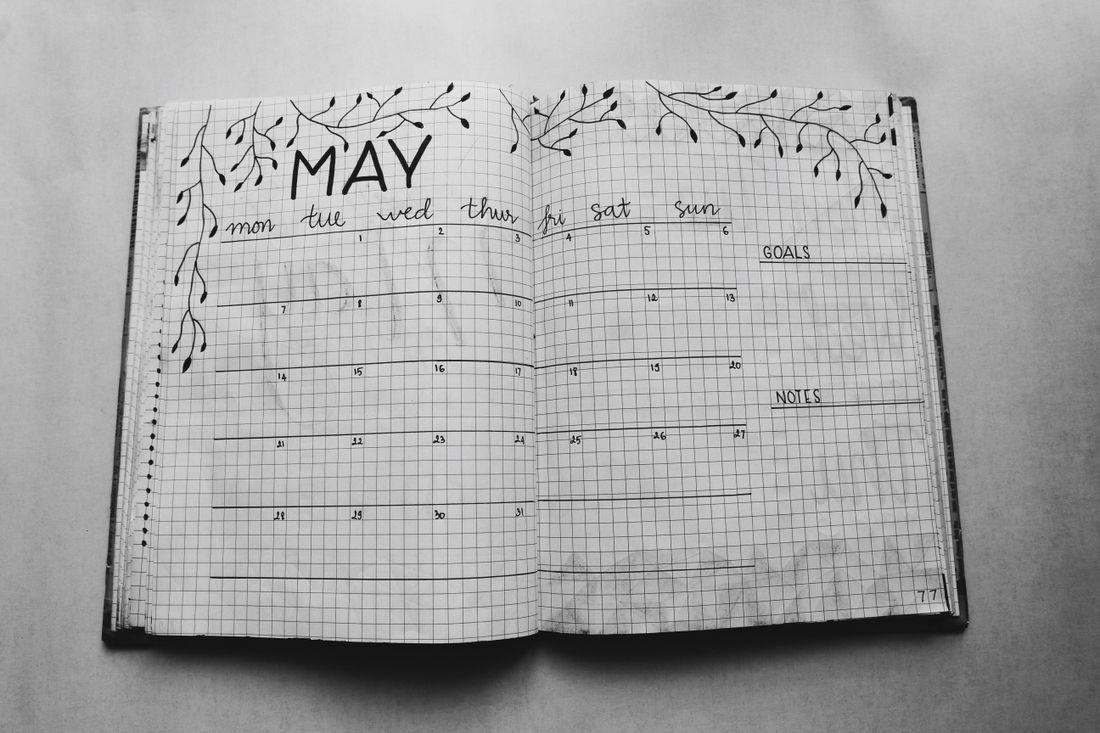
Photo: Bich Tran · License. Illustrative stock photography.
Define the action in observable terms
Choose an action you can recognize as done. Prepare the bag for tomorrow is clearer than be organized. Write the smallest version that still serves your purpose, such as placing the needed notebook and charger by the door. Avoid tracking a vague emotional state or an outcome you do not directly control. The sheet works best when the mark answers a factual question about whether the chosen action occurred.
Set a frequency that matches the real need
Not every useful routine needs to happen daily. Reviewing a project list might be weekly; preparing work materials may matter only on workdays. Mark non-applicable days differently from missed ones. Otherwise, the design of the tracker can imply a failure where no action was required. Choose a frequency based on the routine you actually want to support rather than the number of empty boxes in a printable grid.
Attach the action to a workable context
Write when or where you intend to do it: after the evening calendar check, at the desk before leaving or before closing the project folder. This is a practical reminder, not a guarantee about how habits form. Check whether the materials are accessible and whether the action depends on someone else. If the setup creates friction, change the environment or simplify the action before adding more reminders.
Use a filled-in example with context
A fictional tracker for prepare tomorrow's work materials has marks on Monday, Tuesday and Thursday, a blank on Wednesday and not applicable on Friday because there is no next-day shift. A note beside Wednesday says schedule changed late; keep a spare charger in the usual place. The entry identifies a practical adjustment. It does not turn one missed day into a judgment about motivation or assume that perfect completion is necessary.
Choose meaningful marks and limited notes
Use done, not done and not applicable, or another small set you understand. If partial completion matters, define it before tracking so the marks remain consistent. Add a note only when it explains something useful, such as the action taking longer than expected. Detailed daily commentary is optional. The record should support a decision about the routine, not create a second routine so complicated that you stop using both.
Review the pattern and change the experiment
After a chosen period, ask whether the action still serves a purpose, whether its timing works and whether the smallest version is practical. Keep it, simplify it, move it or stop tracking it. A tracker is allowed to end once it no longer adds useful information. For health-related goals or persistent difficulties that require professional support, use appropriate advice rather than relying on a general printable to interpret the pattern.
Your working checklist
Checkmarks stay in this browser when storage is available. They do not submit a form or complete a booking.
Put it into practice
- Write the action in a form that can be marked done without guessing. Choose a small version that still helps with the practical problem you want to solve.
- Select the relevant days or frequency and mark days when the action is not required. Decide what each completion symbol means before starting.
- Choose a workable cue and place the necessary materials nearby. Record completion honestly and add context only when it points to a useful adjustment.
- Review after a defined period and decide whether to keep, change or stop the routine. Do not treat a missed mark as a diagnosis or a verdict on your character.
Before you finish
- The tracked action is observable.
- The frequency reflects actual need.
- Not-applicable days have a separate mark.
- The action has a practical time or place.
- Notes explain useful context rather than assign blame.
- The review can change or end the experiment.
Common questions
How many habits should I track at once?
Start with a small number you can record consistently. Adding more rows is useful only when the information helps you make decisions and the maintenance remains manageable.
Does a missed day erase progress?
A tracker records events; it does not erase past actions. Use the missed entry to understand the context and decide whether the routine needs a change.
Can I use this for a medical routine?
This general worksheet is not medical guidance. If a routine involves treatment, medication or a health condition, follow qualified professional advice and any prescribed record-keeping requirements.