A Blank Weekly Meal Planner for Household Organization
A blank meal planner is an organizational tool for deciding what a household expects to cook or assemble. It is not a nutrition assessment, weight-loss program or food-safety reference. Use recipes and dietary advice appropriate to your own circumstances, and check authoritative safety guidance for storage and preparation. The worksheet here focuses on schedules, ingredient lists and reducing last-minute decisions.
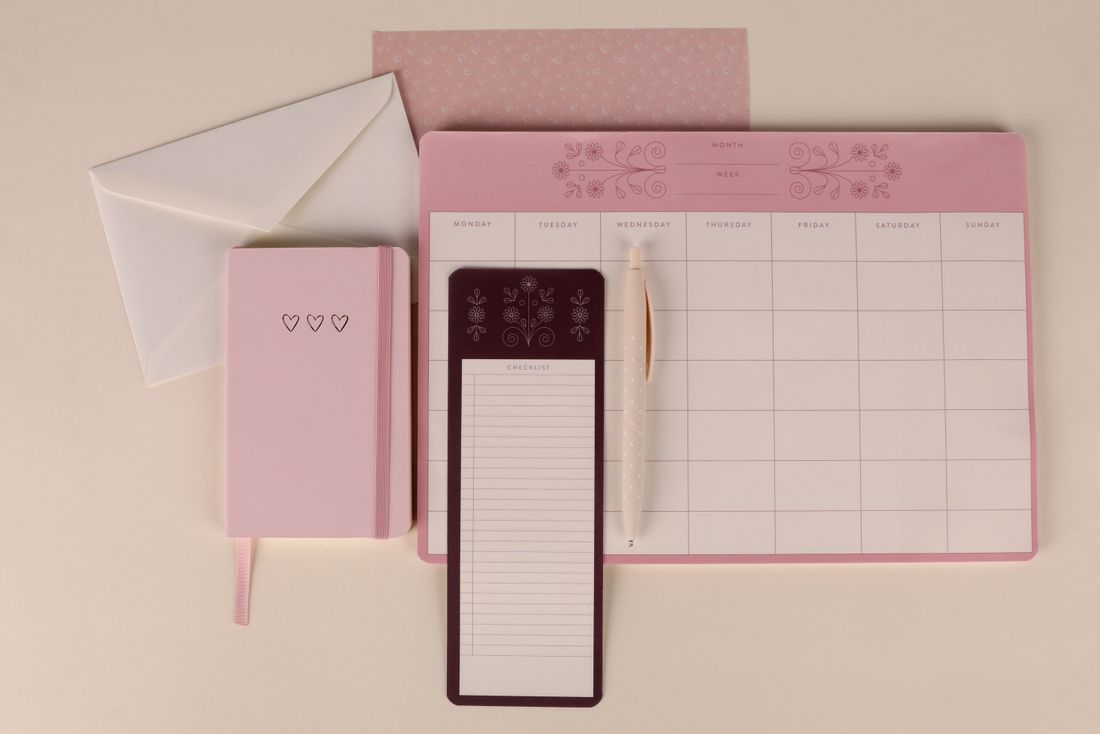
Photo: Ann H · License. Illustrative stock photography.
Start with the week's practical constraints
Mark evenings when people will be out, working late or eating separately. Note which meals actually need planning; you may not need a detailed breakfast row if everyone follows an established routine. Ask household members about preferences and any requirements they need you to consider. Do not assume that a general printable can determine appropriate nutrition, manage allergies or replace individualized advice from a qualified professional.
List familiar options before choosing new recipes
Create a small bank of meals your household already knows how to prepare. Include genuinely easy options for busy days and leave room for one new recipe if you want to try it. A planner becomes harder to use when every entry requires unfamiliar ingredients or techniques. Write the actual recipe title or link so the person cooking can find the instructions rather than guessing what a vague meal name means.
Assign meals to days with realistic effort
Place a simpler meal on a demanding day and a more involved recipe when someone has time to make it. Keep the plan flexible enough to change if attendance or ingredients change. A fictional example could pair Monday's late meeting with a familiar quick meal and reserve a new recipe for Saturday. The example describes effort and scheduling, not a nutritional recommendation or an assertion about how long a particular food remains safe.
Build the shopping list from the chosen recipes
Read each recipe and add the required ingredients, including quantities where known. Check what you already have before buying more, and verify labels or suitability where relevant to your household. Group the list in a way that fits your shopping route, such as produce, pantry and other categories you use. Keep household supplies separate from recipe ingredients if that makes the list clearer. Do not rely on memory when an ingredient matters to a planned dish.
Use a simple filled-in planning example
A fictional page might show three planned dinners, one flexible evening, two meals eaten away from home and one undecided day. The shopping column lists only ingredients for the selected recipes. A preparation note says locate recipe and confirm who is cooking, rather than prescribing storage intervals. This is enough to make the week easier to coordinate without filling every meal box or turning a blank organizational worksheet into a diet plan.
Review what was actually useful
At the end of the week, note which meals fit the schedule, which ingredients were forgotten and which entries required more effort than expected. Keep the notes practical: use a clearer recipe link, confirm attendance earlier or buy a different quantity next time. When plans change, make food handling decisions using appropriate safety guidance rather than a guess based on the planner. Update the familiar-meal list with options people actually want to repeat.
Your working checklist
Checkmarks stay in this browser when storage is available. They do not submit a form or complete a booking.
Put it into practice
- Mark the meals that need coordination and the days when cooking time is limited. Ask about attendance and requirements without treating the worksheet as a substitute for individualized dietary advice.
- Choose familiar recipes first, then place them on days with realistic preparation time. Save the instructions so whoever is cooking can find the exact recipe.
- Read the recipes and build a quantity-aware shopping list after checking existing ingredients. Verify product labels and use reliable safety guidance for handling or storage questions.
- After the week, record a few practical adjustments about effort, quantities and missing information. Keep flexible entries flexible rather than feeling obliged to fill every box.
Before you finish
- The plan reflects who will be eating at home.
- Busy days have realistic preparation expectations.
- Recipe instructions are easy to locate.
- The shopping list is checked against existing ingredients.
- Household requirements are considered without making medical claims.
- Food handling questions are checked against appropriate safety guidance.
Common questions
Does the planner calculate nutrition?
No. It is a blank organizational tool. Nutritional suitability depends on the person, recipes, portions and circumstances and should not be inferred from a completed weekly grid.
Do I need to plan every meal?
No. Start with the decisions that cause the most confusion. A few coordinated dinners and a clear shopping list may be enough for your household.
Can I plan to use leftovers?
You can record an intention, but safety depends on the food, handling and storage conditions. Consult reliable food-safety guidance rather than assuming a planner entry makes a later meal safe.