A Run Sheet for a Small Gathering: Connect Times, People and Transitions
A run sheet describes what happens during a small gathering and who handles each transition. It complements invitations and preparation lists. This original worksheet uses a casual workshop example, with timings clearly treated as a plan rather than a promise.
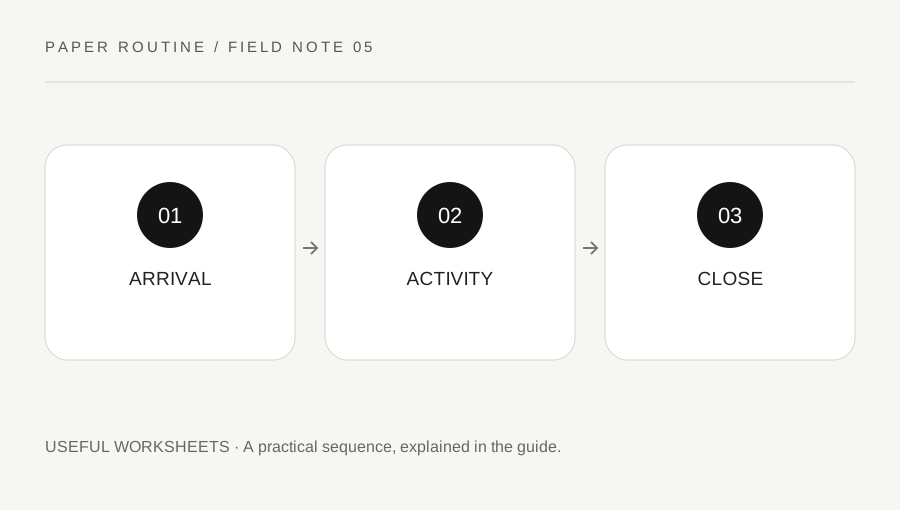
Original explanatory diagram. Examples illustrate a method or decision; they are not claims of personal testing.
Describe the session before filling a timetable
Write the purpose, location, expected group and start and finish arrangements. Check the venue's actual access instructions and any applicable requirements with the responsible person. This page is an organizational aid for an ordinary small gathering; it does not replace venue procedures or a specialist event plan.
Divide the session into meaningful phases: arrival, introduction, activity, a break if appropriate and closing. A phase should tell the host what needs to happen next. Avoid adding minute-by-minute detail that makes a relaxed gathering difficult to manage. Keep preparation before guests arrive on a separate list so it does not get lost among the running order.
Make transitions visible
Use columns for planned time, activity, person responsible, materials and transition cue. A cue explains how you know it is time to move on: everyone has received the handout, the demonstration has ended or the room needs to be reset. Some cues depend on the actual group rather than a fixed minute.
Confirm responsibilities with the people involved. Writing a friend's name on the sheet does not mean they agreed to host a segment. Mark an unconfirmed assignment visibly and arrange clarification before relying on it. Where one person has several roles, check that the transitions are realistic. The timetable should reveal competing demands rather than conceal them behind a neat sequence.
Work through a casual craft session
Imagine a small paper-craft gathering with an afternoon start. The host plans a short welcome, a simple demonstration, individual making time and a closing tidy-up. The sheet names who brings the example and where spare materials will be placed. Exact durations remain provisional until the host considers the actual activity and group.
The host leaves flexibility between phases and identifies a simpler optional activity if people finish at different times. They keep any venue closing time visible as a real constraint. This invented example is not a universal timetable. It shows how the run sheet can connect an activity to materials, people and the moment when the host needs to explain the next step.
Prepare for ordinary changes
Add a short alternatives note for foreseeable changes, such as starting the introduction once late arrivals have been welcomed individually or reducing an optional activity when the session starts late. Keep accessibility, dietary and venue questions in the appropriate direct conversation with the responsible people; do not infer everyone's needs from a generic checklist.
Use the venue's established procedures for a disruption or emergency. A personal running order cannot authorize an exception to access, occupancy or safety requirements. For ordinary timing changes, tell participants what is happening in plain language. A simple updated finish plan is more useful than privately struggling to preserve every minute of an unrealistic original schedule.
Create a usable copy for the host
Print the downloadable blank sheet with large enough writing to read while standing or moving between tasks. Keep only the operational details the host actually needs. A separate private list can hold contact information when appropriate, rather than placing everyone's details on a sheet left on a shared table.
After the gathering, note which transition took longer or needed more explanation. Keep that observation distinct from the original plan. Revise the next run sheet using real experience rather than presenting an invented timing as tested. The worksheet is intended to reduce forgotten handovers and make the session easier to follow, without claiming that a filled timetable guarantees a smooth event.
Your original printable
Download the original SVG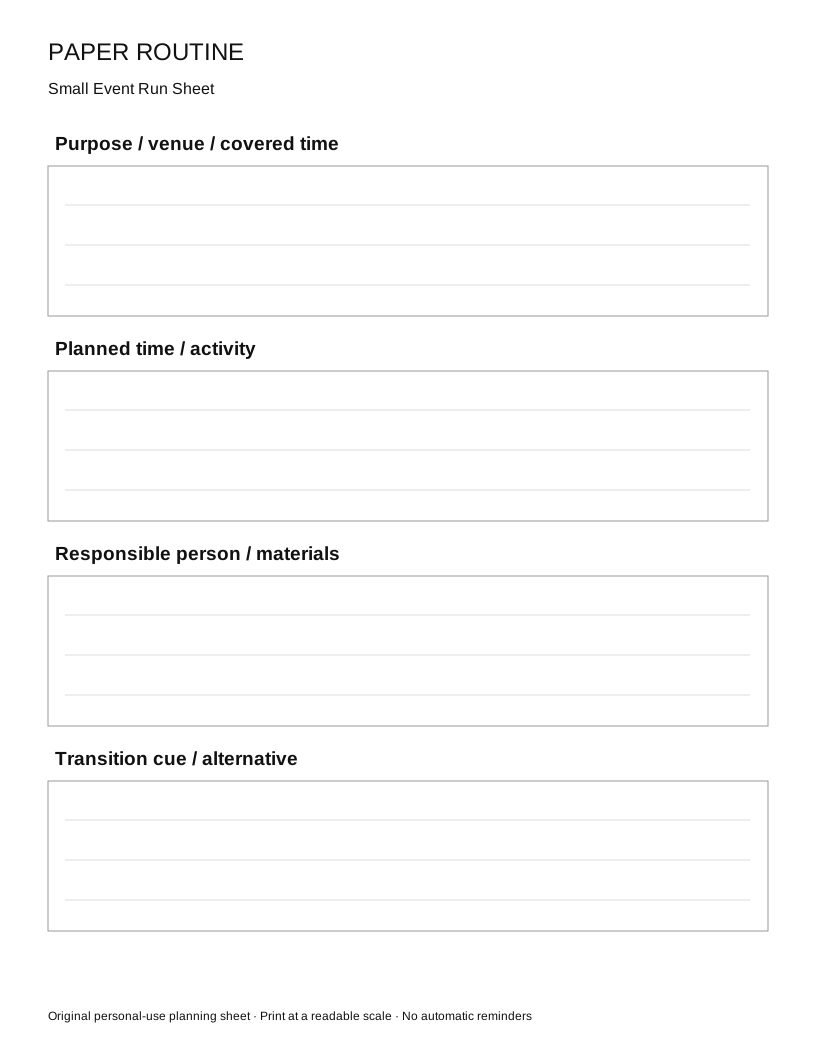
A practical checklist
Choices are saved in this browser. Reset them here or clear this site’s browser storage.
Questions that come up
Is this a complete event safety plan?
No. It is a simple running-order worksheet. Follow the venue and responsible organizer’s actual requirements and procedures.
Must every activity have an exact minute?
No. Some transitions depend on the group. Use a realistic planned window and a clear cue where that works better.
Should guest contact details be printed on it?
Include only operational information needed by its intended users. Keep private contact details in an appropriate separate location.
References & scope
Background references checked on 18 October 2026. Worked examples and diagrams are original teaching material.